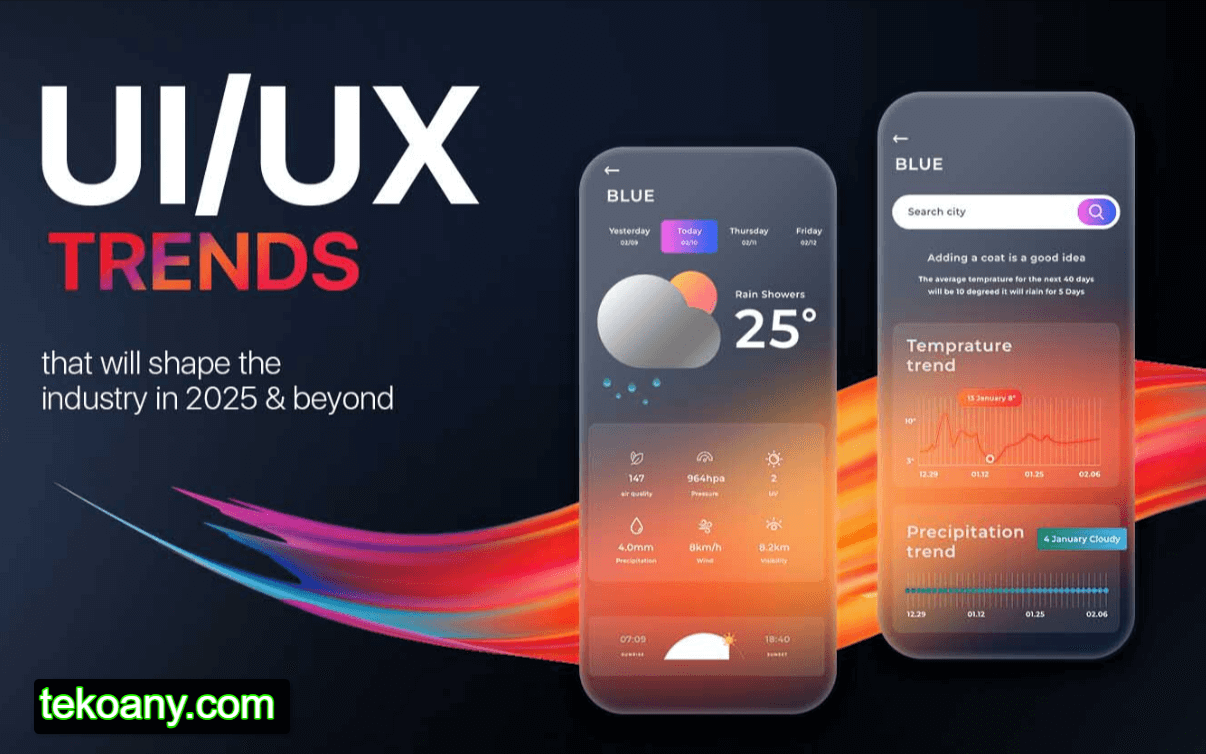
In the fast-evolving world of digital technology, UI/UX design stands as the bridge between humans and machines — crafting seamless, engaging, and intuitive experiences that define the success of every app, website, and digital product.
As businesses compete for user attention, understanding the latest UI/UX design trends has never been more important. From AI-driven personalisation to inclusive design, today’s UX professionals are blending creativity with technology to deliver experiences that feel both beautiful and meaningful.
In this article, we’ll explore the top UI/UX design trends for 2025, while diving into related topics like the Google UX Design Certificate, popular UX design tools, how a UI UX design agency operates, and what makes the UX design process so essential for digital success.
What Is UI/UX Design and Why It Matters
Before diving into trends, let’s clarify what UI and UX mean:
- UI (User Interface) focuses on the visual and interactive elements of a product — layouts, buttons, typography, colors, and animations.
- UX (User Experience) focuses on how users feel when interacting with a product — usability, flow, accessibility, and satisfaction.
Together, UI/UX design creates harmony between aesthetics and functionality. It ensures that products don’t just look good but also deliver smooth, enjoyable, and purposeful user journeys.
In 2025, businesses can no longer afford poor design. A cluttered interface or confusing navigation means instant user drop-off. Great UX, on the other hand, drives brand loyalty, conversions, and long-term engagement.
1. AI-Powered Personalisation
One of the biggest UI/UX design trends today is artificial intelligence (AI). Designers now use AI to analyze user behavior and personalize interfaces in real time.
For example:
- E-commerce platforms show products based on previous interactions.
- Streaming apps recommend content tailored to user moods.
- Websites dynamically change layouts based on device or location.
AI-driven personalisation enhances user satisfaction and efficiency — the ultimate goal of UX design. Designers who understand data-driven design and human psychology can create adaptive user interfaces that evolve intelligently with each interaction.
2. Minimalist and Emotionally Driven Design
“Simplicity is the ultimate sophistication.”
Modern users crave clean, minimal interfaces that don’t overwhelm. But beyond simplicity, emotional connection is key.
Designers are embracing:
- Soft color palettes
- Rounded typography
- Micro-interactions that make users smile
- Calming visuals for digital well-being
3. Voice and Gesture-Based Interfaces
The way we interact with devices is rapidly evolving. Voice assistants, gesture control, and haptic feedback are transforming traditional UI paradigms.
- Voice UX (VUX) allows hands-free, intuitive experiences — ideal for accessibility and multitasking.
- Gesture-based design (like swipes and facial expressions) provides futuristic interaction modes.
UX designers must now think beyond screens — crafting multi-sensory experiences that blend sound, movement, and touch.
4. Accessibility and Inclusive Design
Inclusivity is not just a trend — it’s a necessity. The best digital experiences are designed for everyone, regardless of ability.
Modern UX design processes emphasise:
- Screen reader compatibility
- Sufficient color contrast
- Scalable fonts
- Keyboard navigation
- Alt text for images
5. Motion Design and Micro-Interactions
Micro-interactions — the subtle animations that occur when users tap, scroll, or hover — are now central to good UX.
Examples:
- A heart icon that “pops” when liked.
- A smooth page transition.
- Animated progress bars or toggles.
6. Augmented Reality (AR) and Virtual Reality (VR) Experiences
The lines between physical and digital continue to blur.
In 2025, AR and VR interfaces are revolutionising shopping, learning, gaming, and healthcare.
- AR helps users visualize furniture before buying or try makeup virtually.
- VR immerses users in fully interactive digital worlds.
UX designers now collaborate with 3D artists and developers to create spatial UX — interfaces that exist in 3D space, not just on screens.
7. Sustainability and Ethical UX
As digital consumption grows, so does awareness about its environmental and psychological impact.
Modern UX design promotes:
- Sustainable design principles (reducing data and energy use)
- Ethical design (avoiding dark patterns)
- Mindful interfaces (reducing distractions)
Ethical UX focuses on long-term well-being — designing products that help users, not manipulate them.
Google UX Design Certificate: Launching a Career in UX
For aspiring designers, the Google UX Design Certificate has become one of the most popular entry points into the industry.
Offered through Coursera, this professional certificate teaches:
- UX fundamentals and research methods
- Wireframing and prototyping with Figma
- Understanding the UX design process
- Conducting usability studies
- Building a professional UX portfolio
The Google UX Design Certificate is beginner-friendly, affordable, and globally recognized.
Graduates gain hands-on skills needed for roles like:
- UX Designer
- Product Designer
- Interaction Designer
- UI Specialist
Top UX Design Tools Every Designer Should Know
Modern UX designers rely on a robust toolkit for wireframing, prototyping, user testing, and collaboration.
Here are the most popular UX design tools in 2025:
| Tool | Primary Use | Key Features |
| Figma | UI/UX Design, Collaboration | Cloud-based, real-time teamwork, prototyping |
| Adobe XD | Prototyping, UI Design | Vector-based design, auto-animate, integration with Adobe Suite |
| Sketch | UI Design | Ideal for macOS, plugin support |
| InVision | Prototyping | Interactive mockups, design system management |
| Miro | Collaboration | Brainstorming, user journey mapping |
| Maze | Usability Testing | Quantitative feedback, heatmaps |
| Zeplin | Developer Handoff | Bridges design-to-development workflow |
These UX design tools help streamline the UX design process, ensuring faster iteration, consistency, and improved collaboration between designers, developers, and stakeholders.
Understanding the UX Design Process
The UX design process is a structured approach that ensures user needs are at the center of every design decision. Here’s how it typically unfolds:
1. Research
Understand user behavior, goals, and pain points using surveys, interviews, and analytics.
2. Define
Identify user problems and create user personas and empathy maps.
3. Ideate
Brainstorm creative solutions and generate multiple design concepts.
4. Prototype
Build wireframes and interactive mockups using tools like Figma or Adobe XD.
5. Test
Conduct usability tests, gather feedback, and iterate based on insights.
6. Implement
Collaborate with developers to bring the design to life.
7. Evaluate
Monitor product performance post-launch and continuously refine the UX.
This iterative UX design process ensures that designs are both user-friendly and business-focused.
The Role of a UI UX Design Agency
When businesses lack in-house design expertise, they turn to a UI UX design agency to craft world-class digital experiences.
What a UI UX Design Agency Does
A UX design agency provides end-to-end design services, including:
- User research and competitive analysis
- Wireframing and prototyping
- Interface design (UI)
- Usability testing
- Product strategy and brand alignment
Benefits of Hiring a UI UX Design Agency
- Access to expert designers and strategists
- A fresh, objective perspective on your brand
- Faster delivery through agile workflows
- Access to advanced UX design tools and testing platforms
Why UX Design Certification Matters
With UX now being one of the most in-demand career fields, having a UX design certification helps you stand out.
Benefits include:
- Validation of your skills to employers
- Structured learning from industry experts
- Access to professional design networks
- Portfolio-building opportunities
Top UX certifications (besides Google’s) include:
- Nielsen Norman Group UX Certification
- Interaction Design Foundation Courses
- CareerFoundry UX Certification
- Coursera and edX Professional UX Courses
8. Data-Driven and Research-Based UX
Modern UX designers don’t rely solely on creativity — they use data to inform decisions.
Through tools like Hotjar, Google Analytics, and UserTesting, designers analyze:
- User heatmaps
- Session recordings
- Conversion funnels
Data-backed insights ensure designs are based on real user behavior, not assumptions, leading to higher engagement and retention rates.
9. Cross-Platform Consistency
Users today move seamlessly between devices — mobile, desktop, smartwatch, or even AR glasses.
That’s why consistent design systems are critical.
A unified visual language ensures that users can transition smoothly across platforms without confusion.
UX teams use design systems (like Material Design or Apple Human Interface Guidelines) to maintain consistency and scalability across all digital touchpoints.
10. The Future of UI/UX Design: Where It’s Headed
The future of UX is deeply human-centred and tech-empowered.
Emerging trends include:
- AI-assisted design tools like Uizard and Framer AI
- Emotion-recognition interfaces
- Personalized accessibility features
- Metaverse UX and 3D design principles
Final Thoughts
The world of UI/UX design is changing faster than ever. To succeed in 2025 and beyond, designers must combine technical knowledge, creativity, empathy, and adaptability.
Whether you’re pursuing a Google UX Design Certificate, exploring UX design tools, or partnering with a UI UX design agency, staying updated with the latest UX design trends will help you craft experiences that inspire, engage, and convert.